

Key Takeaways
Handling field service cancellations requires proactive scheduling and payment measures to maintain operational efficiency. These core strategies help stabilize your technicians’ daily workload.
- Implementing upfront deposits reduces low-commitment bookings significantly.
- Automated reminders ensure customers remain informed and ready for service.
- Self-service portals put scheduling control directly in the customer’s hands.
- Analyzing cancellation patterns helps identify high-risk service intervals.
- Dynamic waitlists allow for quick backfilling when appointments are canceled.
Implementing a prepaid dispatch system
Businesses often lose substantial revenue when customers do not show up for scheduled visits, which makes financial protection essential. By shifting the initial point of commitment, you change the dynamic between the technician and the client. PreDispatch works to secure these interactions by requiring payment commitments before a technician is officially cleared for dispatch.
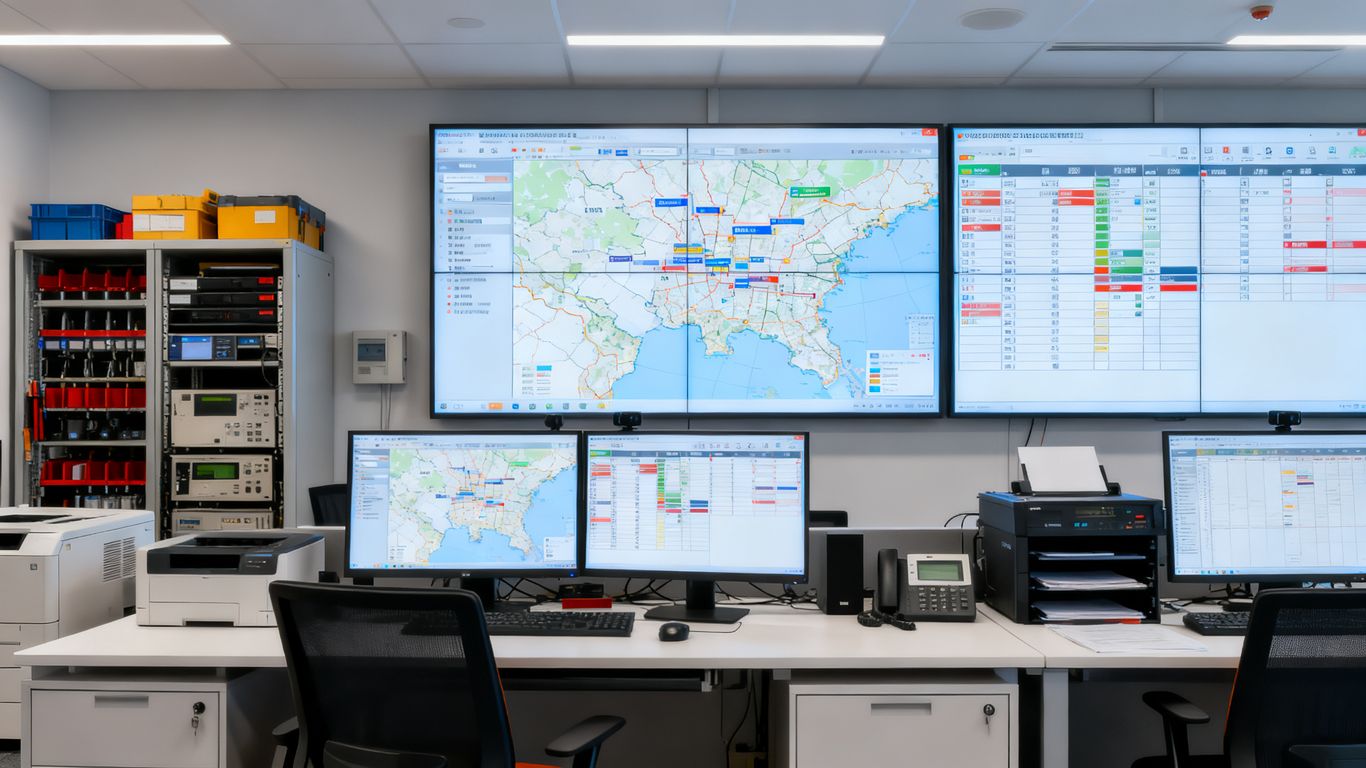
Benefits of requiring upfront deposits
When a customer provides a deposit, they are signaling a higher intent to follow through with the service. This simple step acts as a filter for casual inquiries, ensuring your professionals focus their time on paying clients. By utilizing a table like the one below, you can visualize the impact of deposit-backed scheduling.
| Engagement Type | Typical Cancellation Rate | Revenue Impact |
|---|---|---|
| No Deposit Required | 25% – 40% | High Volatility |
| Partial Deposit | 10% – 15% | Moderate |
| Pre-paid Service | Less than 5% | Stable Cash Flow |
Standardizing your payment requirements brings predictability to your daily route planning and resource management, allowing teams more room to handle service contractor no-shows professionally.
Overcoming customer resistance to prepayment
Most customers accept prepayment if it is presented as a standard component of professional service workflows. Focus on the value proposition, such as priority scheduling and guaranteed service windows, rather than just the payment itself. When customers understand that they are paying for a dedicated professional slot, they often view it as a security measure for their own needs.
Integrating payment workflows into current scheduling software
Software like PreDispatch makes it straightforward to weave payment collection into your established dispatching process. Rather than managing manual invoicing steps, your team can automate these requests to go out instantly upon booking. This seamless integration ensures that every job is cleared and accounted for before wheels ever leave the lot.
Managing refund logic and service modifications
Clear policies prevent confusion when jobs must be adjusted or cancelled entirely. Define your criteria for full or partial refunds based on timing, making these terms visible during the booking process. Keeping these rules automated prevents administrative bloat and maintains trust.
Optimizing the appointment reminder workflow
Keeping your clients informed is one of the most effective ways to minimize recurring no-show issues that plague small service companies. A consistent communication loop helps prevent the costly consequences of unexpected schedule gaps. You can manage last-minute cancellations effectively by keeping a constant pulse on your upcoming appointments.
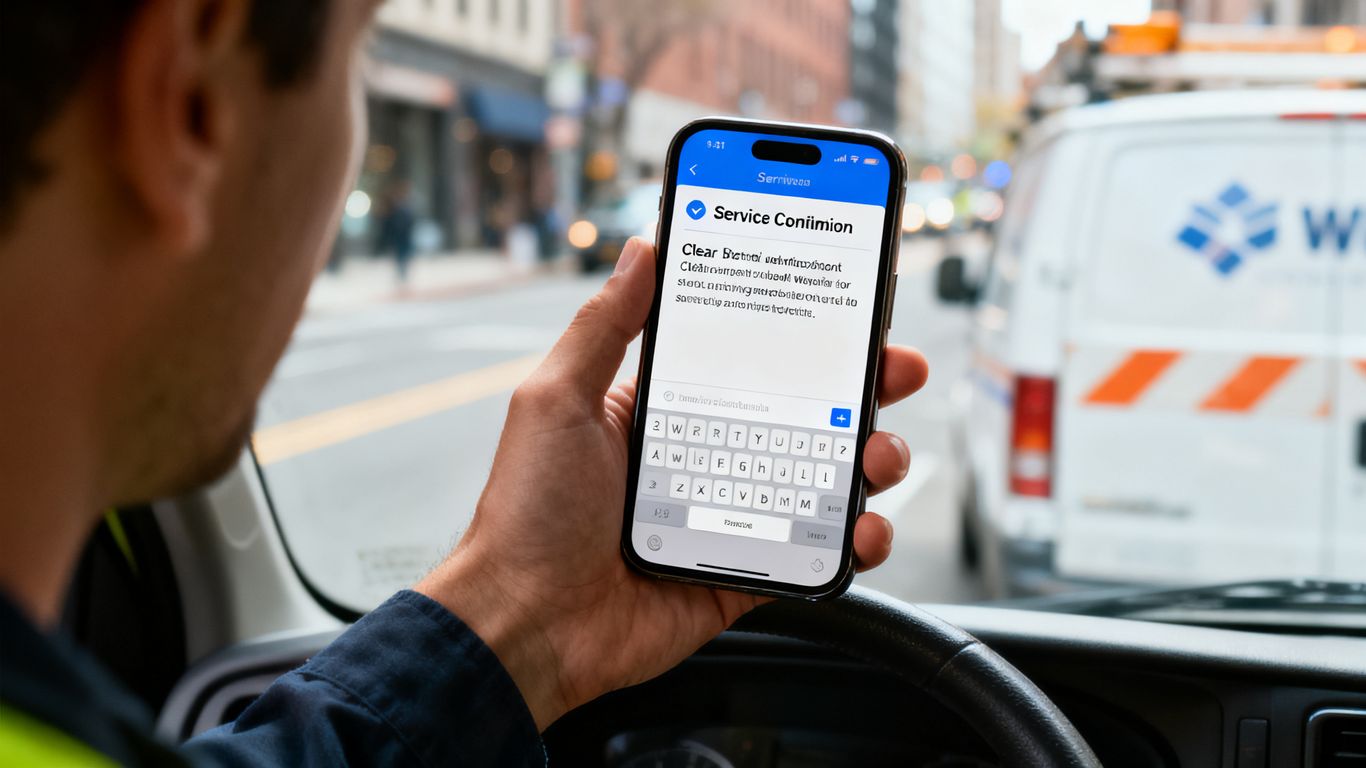
Setting the ideal cadence for confirmation alerts
Sending an alert 48 hours out, followed by a final confirmation on the morning of, balances visibility with respect for the customer’s time. This approach ensures your arrival window remains front-and-center without becoming a nuisance. PreDispatch helps manage this rhythm automatically, allowing your team to focus on field work rather than administrative outreach.
Selecting effective cross-platform communication channels
Your communication strategy should match how your customers actually use their devices. Relying on a mix of platforms creates a more robust feedback loop than using a single contact method alone.
- Use automated SMS for instant, highly visible updates.
- Send email confirmations to provide detailed records of service.
- Keep phone contact for complex issues needing human clarity.
- Utilize app-based notifications for real-time status updates.
By diversifying your channels, you reach customers who may overlook a single email but read a quick text.
Incorporating two-way confirmation loops to verify intent
Two-way loops allow customers to confirm, reschedule, or highlight a potential change directly within the messaging system. This active step confirms the appointment status in your digital system without extra calling. It increases scheduling efficiency by giving you immediate data to act on.
Using automated re-confirmation strategies for high-risk appointments
For complex or high-cost jobs, adding an extra verification step 24 hours before the window provides early notice of any potential issues. This allows you to re-assign that time slot promptly if the customer indicates they may no longer be available.
Empowering customers through self-service portals
Giving customers the power to manage their own appointments is a practical way to curb downtime. Access to an owner-managed window is a customer self-service move that replaces frantic phone calls with smooth, automated updates.

Allowing simple rescheduling options to prevent total cancellation
If a customer cannot make a time work, giving them a visual calendar to pick a new slot keeps the business in the pipeline. This approach is superior to a simple cancel-and-forget button, as it keeps the relationship active.
Implementing cutoff windows for appointment changes
Set a clear policy that limits how close to the arrival time a customer can modify their booking. This protects your team from disruptions while still offering the flexibility that modern clients expect from reliable service providers.
Providing real-time technician arrival and status updates
Transparency regarding when the technician will arrive significantly increases the likelihood that someone is home. When customers feel informed, they are far more accountable to the scheduling agreement.
Enhancing transparency to increase customer accountability
Publishing your booking terms clearly within the portal reminds customers that their commitment supports local jobs. When policies are visible, expectations remain aligned for everyone involved.
Leveraging data to track and predict cancellation patterns
Reviewing historical performance helps you stop guessing about why appointments go sideways. Analyzing which days or service types lead to the most churn provides the insight needed to adjust your outlook for the coming quarter.
Identifying primary drivers of service volatility
Look for patterns in cancellations related to time of day or proximity to weekends. These trends might indicate that certain slots are inherently higher risk, requiring more rigorous confirmation loops.
Analyzing cancellation rates by service type and technician
Sometimes specific services or certain technicians might attract different cancellation patterns. Understanding this lets you refine which service types require upfront payment to protect your overhead costs.
Using historical data to flag unreliable appointment slots
If Wednesday afternoons consistently see high drop-off rates, you might change your booking blocks for those times. Data-driven adjustments ensure you aren’t fighting trends that you can simply navigate around by shifting your dispatch focus.
Correlating seasonal trends with scheduling disruptions
During extreme weather or holiday weeks, scheduling habits often shift. Recognizing these seasonal hurdles allows you to preemptively manage your dispatch load to suit local demand.
Managing fallout from last-minute cancellations
Even with the best software, some disruptions are unavoidable. Being prepared with a recovery plan ensures that a broken commitment does not result in a lost day of revenue.
Maintaining dynamic waitlists for immediate slot backfilling
Keep a list of customers who are ready to accept a sooner appointment if one opens up. When a cancellation hits, you can fill the gap instantly, keeping your team occupied and your revenue flowing.
Designing a transparent and enforceable cancellation fee policy
Your fee policy should be explained before any money is taken, so the customer knows the stakes. This isn’t just about collecting money; it’s about the financial cost of lost time, parts, and travel, as discussed in our cancellation prevention checklist.
Automating follow-up messaging to secure a new booking
If someone cancels, an immediate automated follow-up can suggest a secondary time. This turns a negative event into a continued opportunity to win the job.
Balancing strict policy enforcement with long-term retention goals
While rules are necessary, offer a degree of flexibility for your most loyal clients. The goal is to discourage bad habits while ensuring you keep the long-term trust of your primary customer base.
Conclusion
Successfully reducing service disruptions requires a combination of clear communication, intelligent automation, and firm but fair payment standards. By adopting a proactive scheduling solution, you protect your business from the volatility of unpredictable customer availability while building a more reliable operational future.
Frequently Asked Questions
Why do last-minute cancellations ruin service schedules?
Last-minute cancellations create empty blocks that often cannot be filled, leading to lost revenue, idle technicians, and wasted fuel costs that cannot be recovered for that day.
How can I make my cancellation policy feel reasonable to customers?
Focus on explaining the policy as a way to prioritize timely service for everyone. When customers understand how it benefits their own service experience, they are generally more accepting.
Is it normal to require a deposit for small service jobs?
Increasingly, service businesses use deposits to secure time. It ensures that the client is serious about the booking and compensates the business for reserving that slot.
What should I do if a customer frequently cancels at the last minute?
Identify these patterns early using data. You may decide to implement a stricter policy or move these customers to day-of appointment only scheduling to stabilize your own operations.
Do automated reminders actually reduce no-shows?
Yes, because people often simply lose track of their commitments. Reminders serve as a helpful nudge that ensures they plan their day around your arrival window.
What is the most effective channel for appointment reminders?
SMS is highly effective because it is immediate and usually read within minutes. However, a multi-channel approach that includes email remains best for providing full details.
How quickly should I try to fill a cancelled appointment?
Ideally, fill it immediately. Having a dynamic waitlist or a list of customers seeking earlier appointments allows you to minimize downtime as soon as you receive the notification.