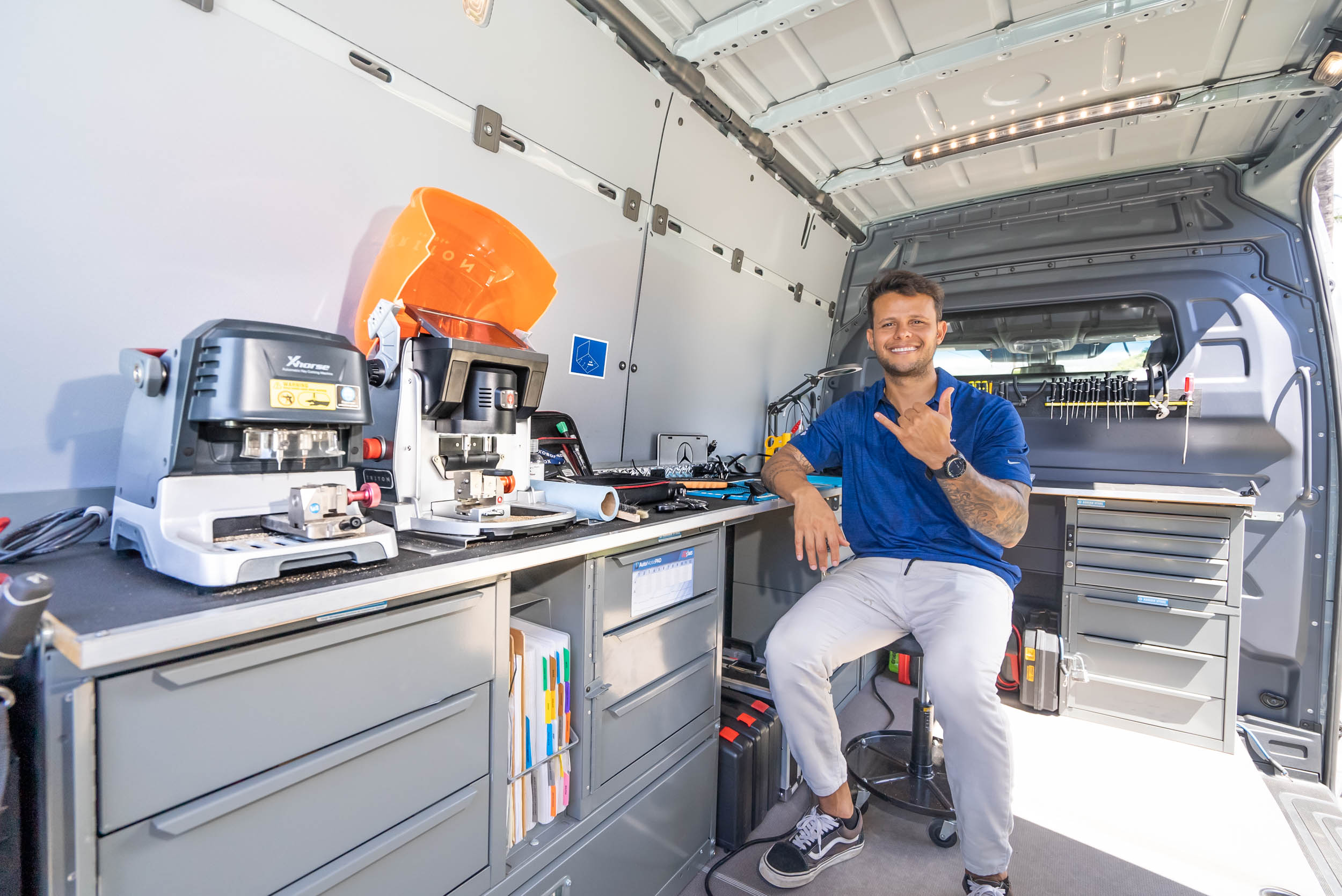
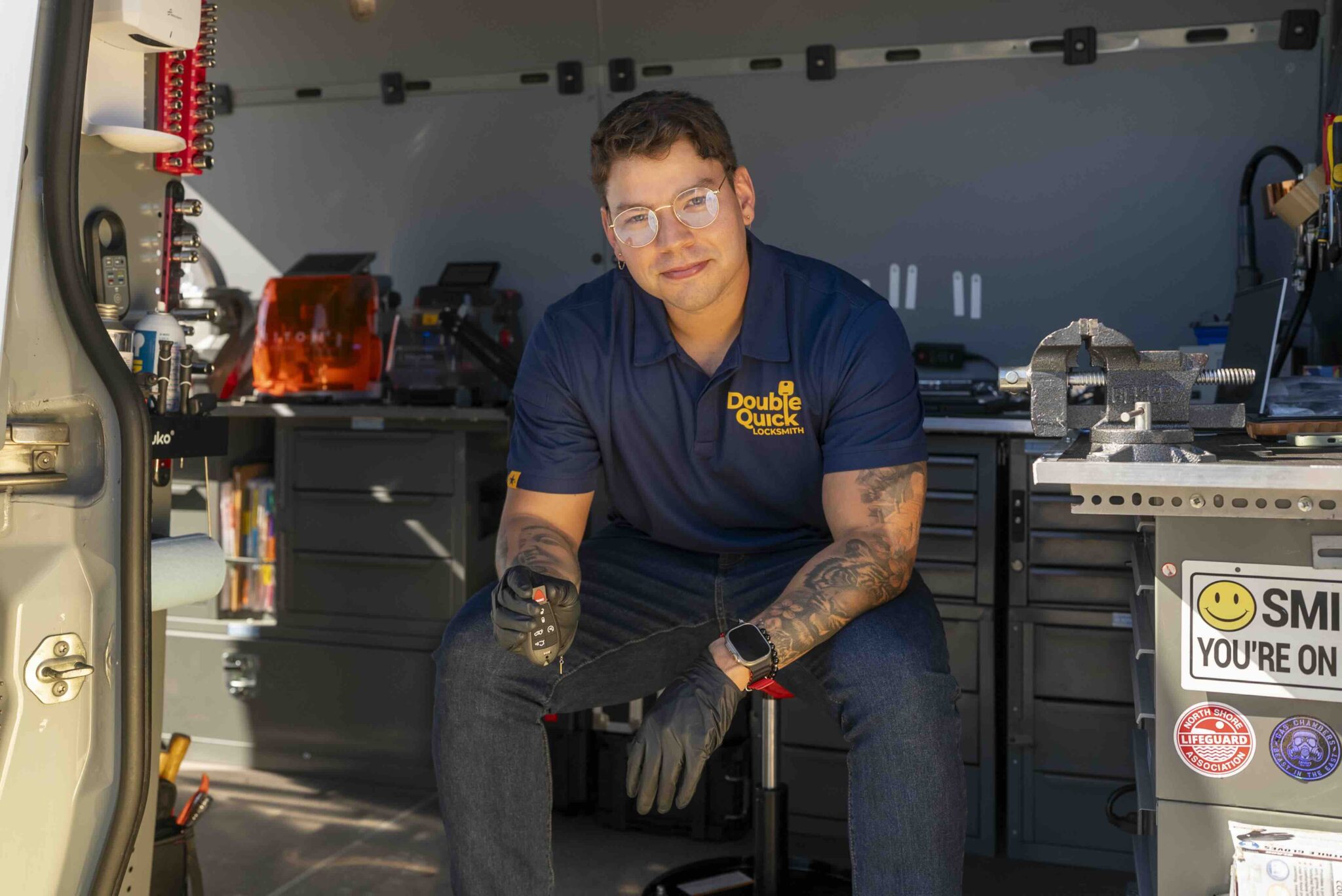
My name is Gabriel Briceno Valero. I own and run Double Quick Locksmith in Honolulu, two trucks doing automotive, residential and commercial work. PreDispatch started as a fix for my own dispatch board, not as a product idea.
Founder & CEO, PreDispatch · Owner, Double Quick Locksmith · Honolulu, HI
A customer needed a key replacement at Schofield Barracks. Forty-five minutes each way from town. I quoted the price on the phone and the customer agreed to it, so I sent a technician.
My tech got there and the customer said it was too expensive. He had also called another company while my tech was driving, and that company was already on the way too.
Ninety minutes of driving. Gas. Tires. Wear on a Sprinter. A technician who could have been on a paying job. Every call that came in during that window and went to voicemail.
The job was already lost before the van left the shop. We just didn’t find out until we got there.
The same pattern showed up on west-side residential lockouts. Long drive out, then a refusal to pay the price we quoted. Sometimes nobody picked up the phone when the tech pulled in.
After enough of those I stopped treating it as a customer problem. It is a workflow problem. We were committing a truck and two hours of capacity to someone who had committed nothing. If you run the same kind of board, the same math shows up in how to reduce customer cancellations in field service.

Nobody wants to read their card number out loud to a stranger who called back from a Google ad. Fair enough. I would not do it either.
They still cancelled at the door. Agreeing to a price on the phone costs nothing, so they kept calling around after we hung up.
People paid. Then they got a Stripe receipt and silence. No confirmation anyone was coming, so trust never built and they kept shopping. That gap is what customer payment workflows have to close.
Inbound calls per day at Double Quick
Cancelled before or on arrival
Price shopping only, never booked
Average service call within 10 miles
Source: Double Quick Locksmith internal call records, Honolulu, 2026.
Our average completed ticket runs about $150 including the service call. But add the 30% row and the 20% row together and half the phone was going nowhere. Not half the revenue. Half the dispatch capacity. That is the part that hurts, because capacity is the thing you cannot buy back at the end of the day.
The payment link got us halfway. Money moved. But the customer had no idea whether anyone was actually on the way, so they kept calling other shops as insurance. Paying us did not make them stop looking.
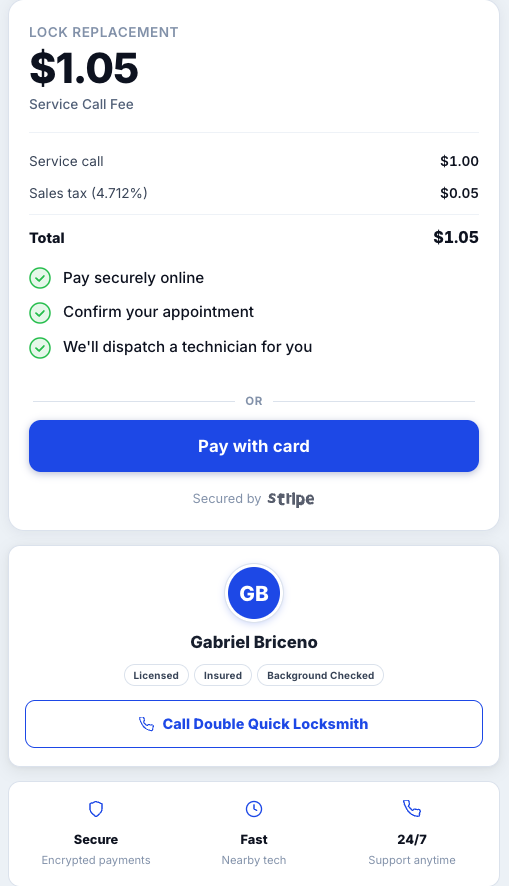
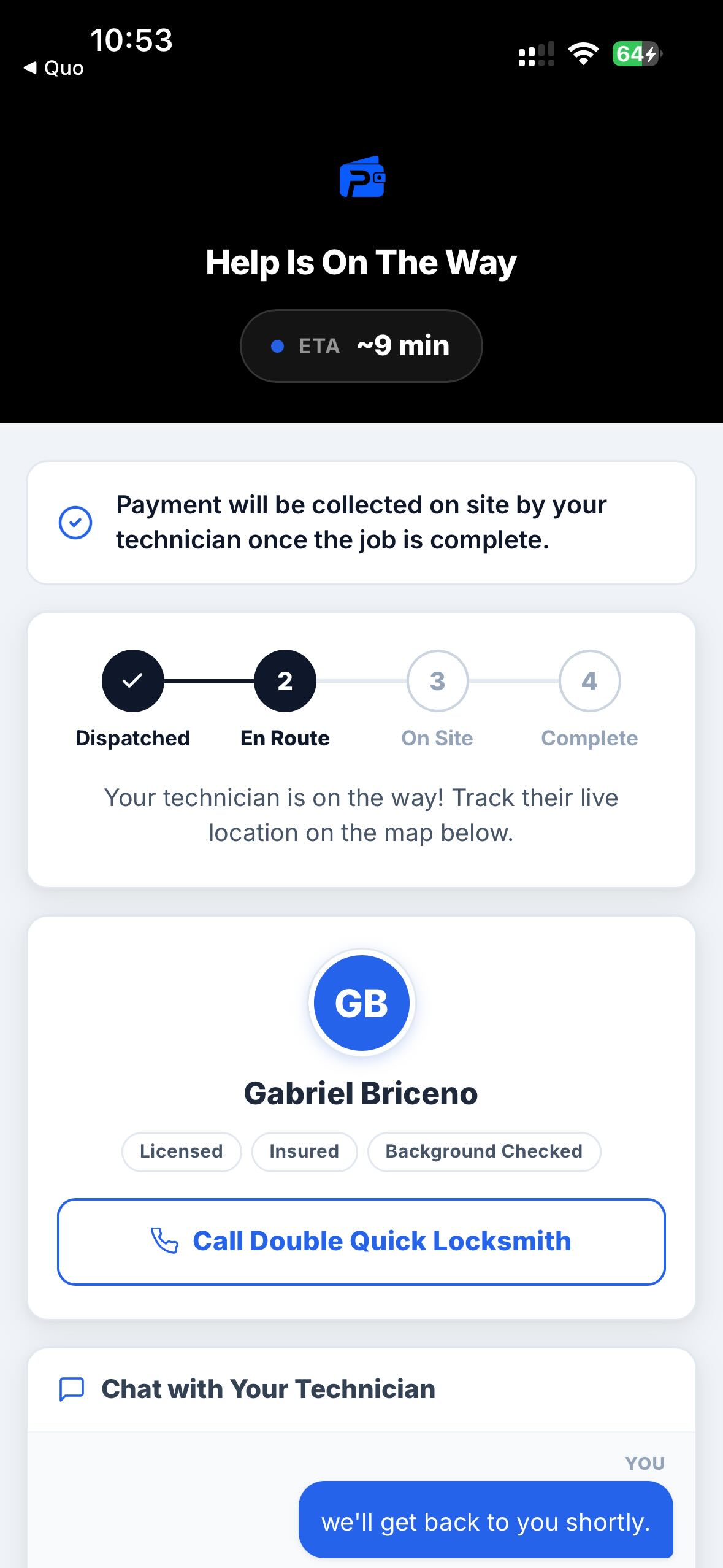
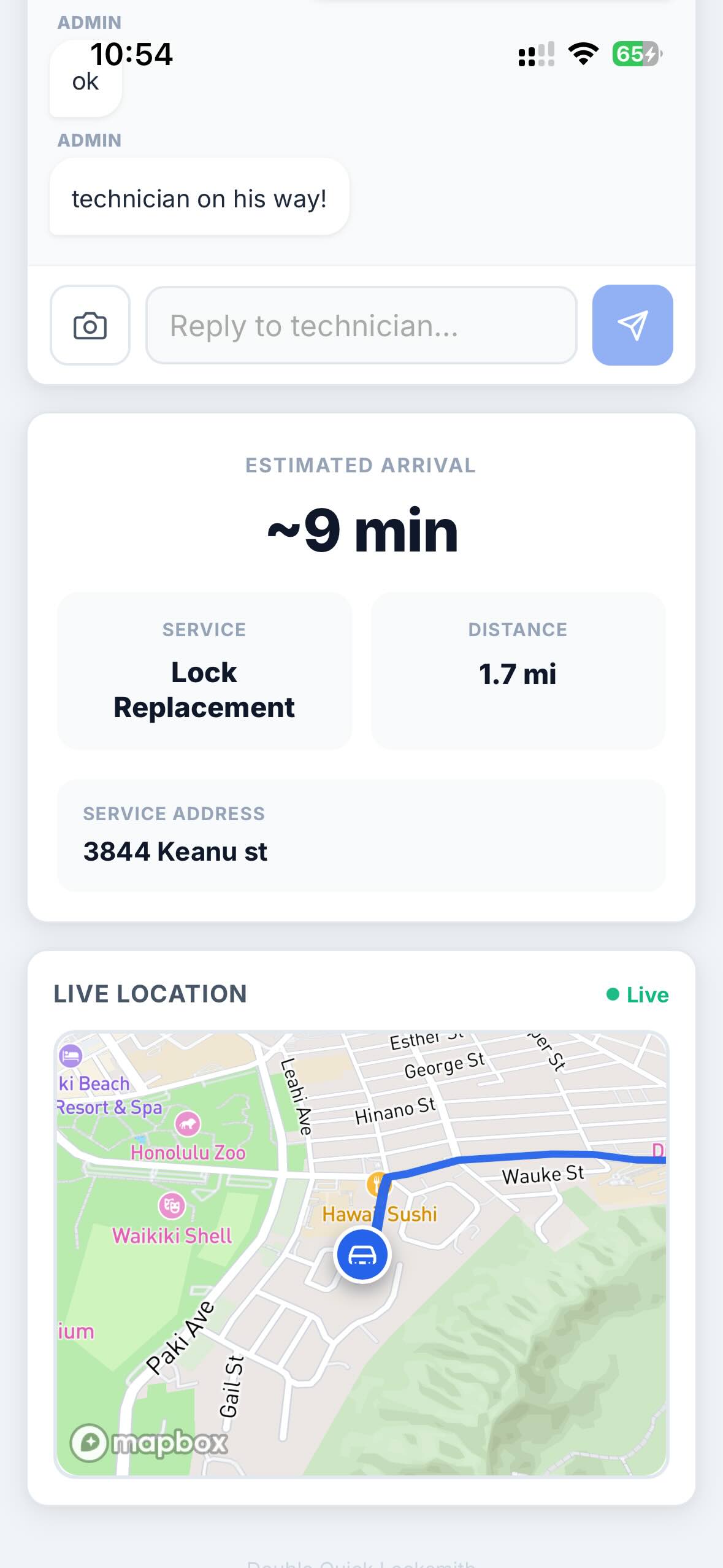
What worked was pairing the two. Collect the service-call fee, then immediately show the customer a real job with a real technician assigned and moving toward them.
Payment creates commitment. Visibility creates trust. You need both, in that order, before the truck rolls.
Plenty of tools will process a payment for you. Very few turn that payment into the customer’s proof that you are handling it. That proof is the whole reason the second call to your competitor never happens. I wrote up the longer version in our locksmith no-show strategy guide.
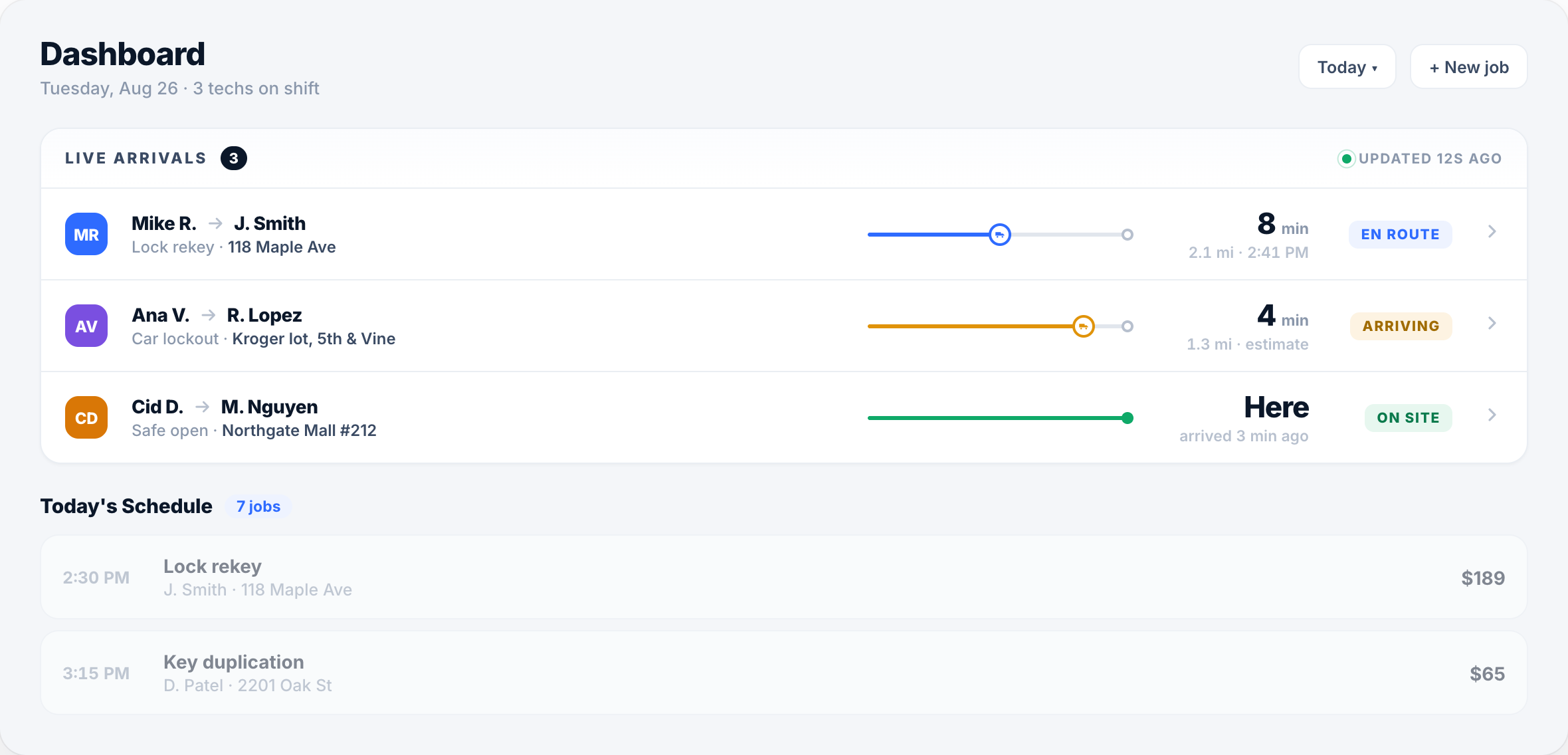
What the customer gets after they pay
Development started in January 2026. The workflow is the one we run at Double Quick every day. A call comes in. A Stripe link goes out for the service-call fee. The customer pays. The job moves into dispatch with a technician assigned and visible to the customer. Labor gets billed in-app when the work is done.
It has been in daily use at Double Quick since June 2026. It is still in development. We are shipping upgrades and an Elite tier. But the core is not a demo, it runs a working locksmith shop, and every change gets tested on our own trucks before anyone else sees it.
You can see how prepaid dispatch works step by step, or browse the full feature set.
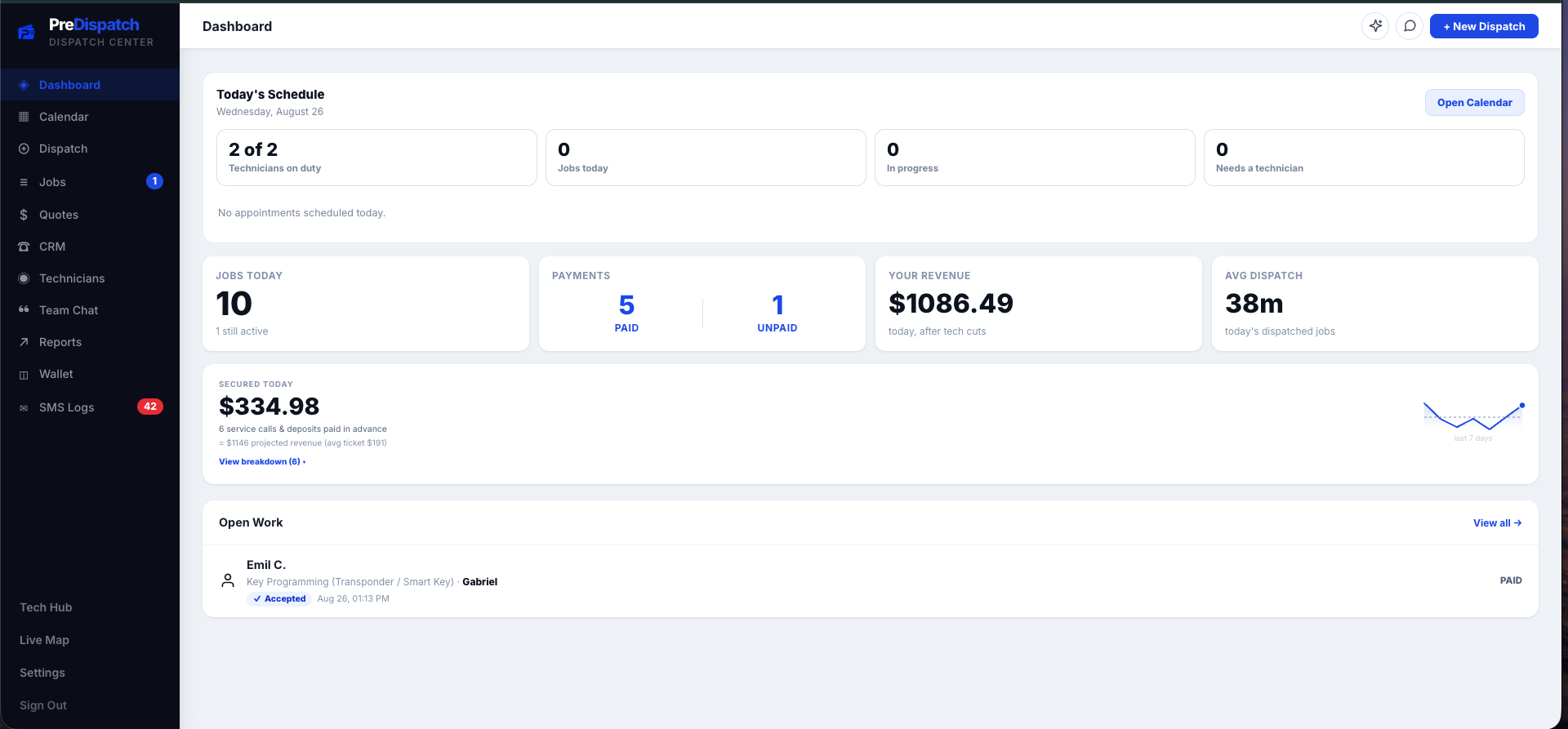
The board I actually work from. A job only lands here once the service call is paid.
PreDispatch is built and run by the same people who answer the phone at Double Quick Locksmith. Two trucks on Oahu, automotive, residential and commercial. When you read something on this site about dispatching a truck, it came from that shop. If you want the industry-specific version, start with our locksmith software page.
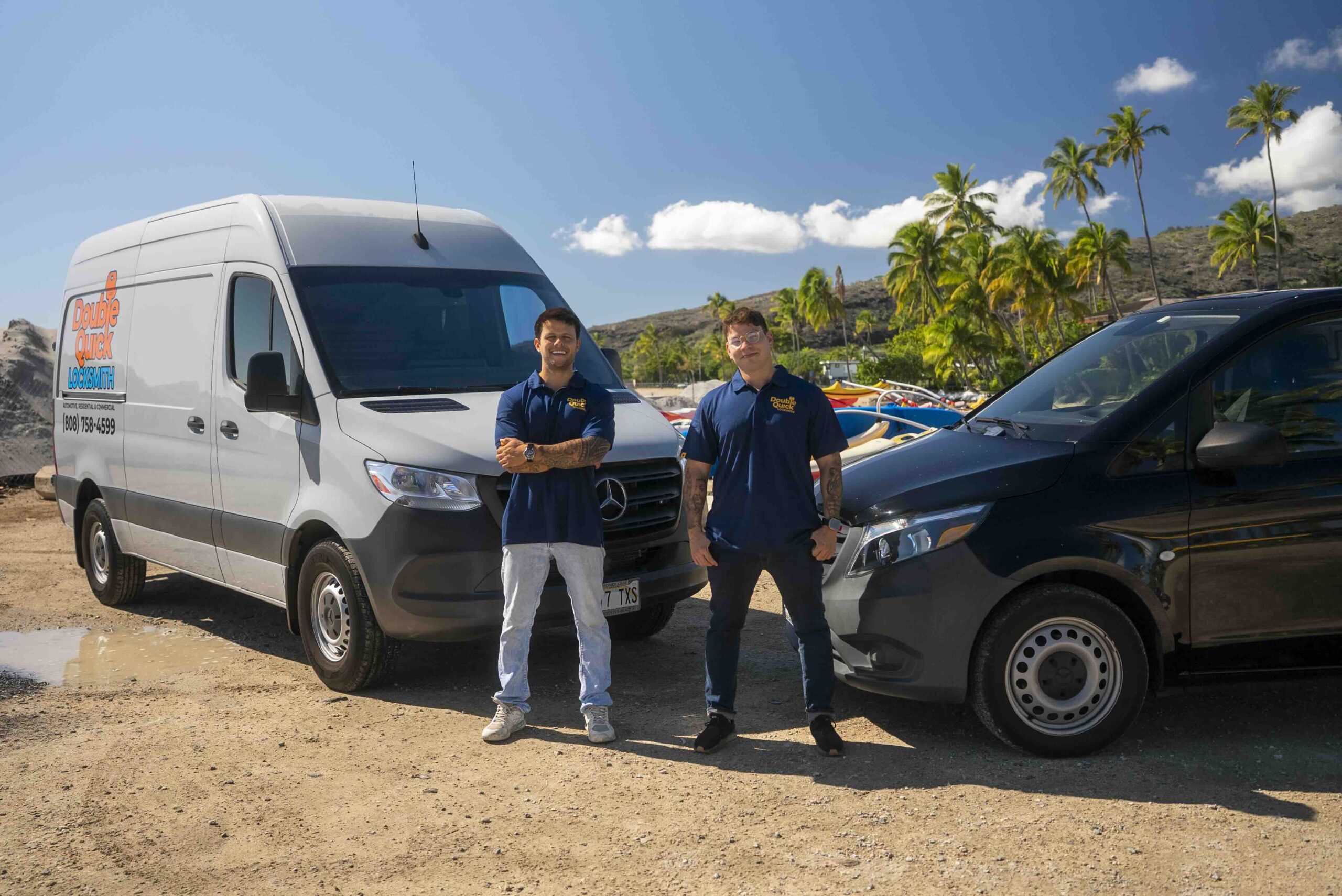
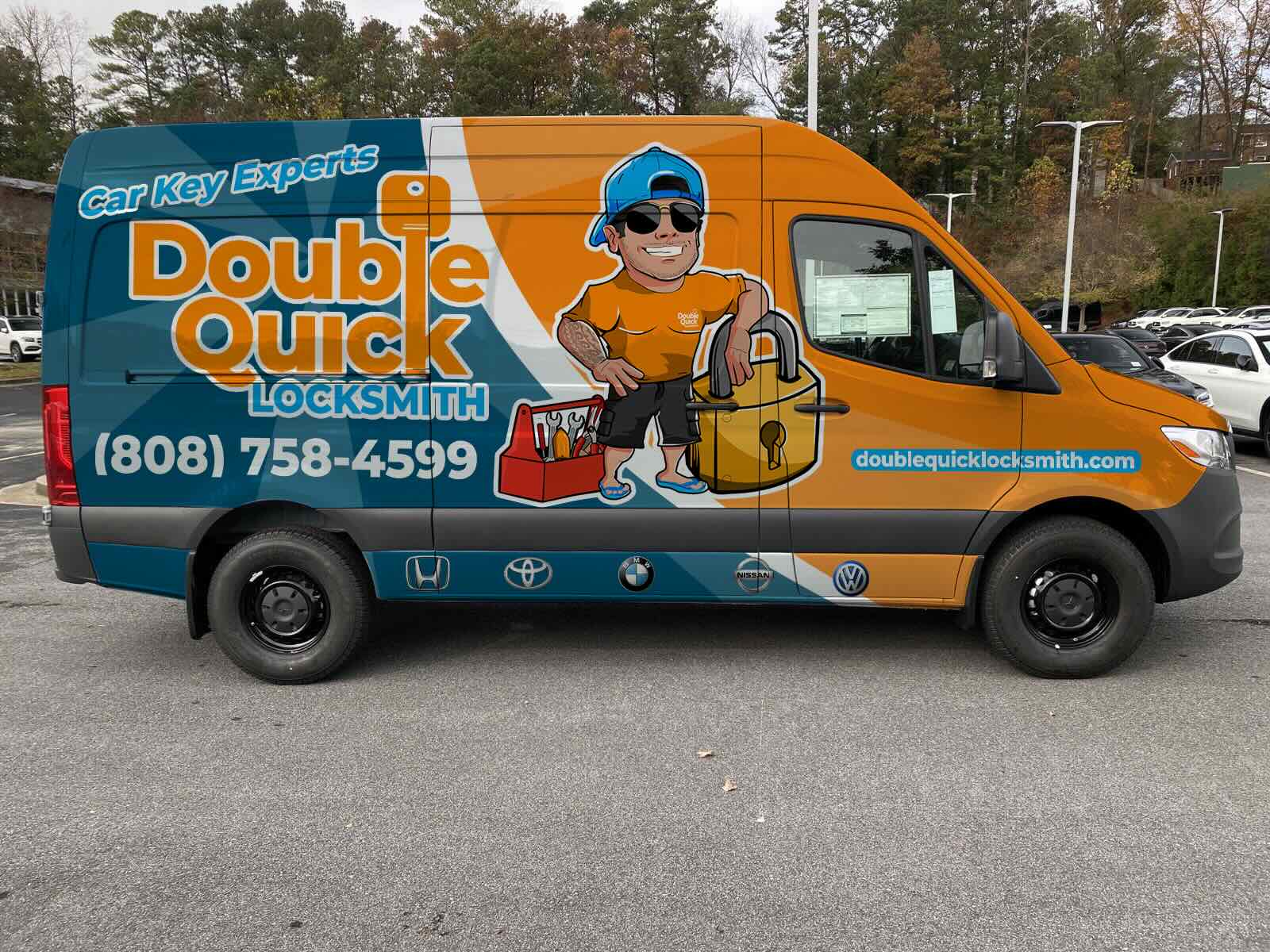
Double Quick Locksmith, Oahu. The trucks that paid for this software the hard way.
Cancel from your billing settings. You keep access to the end of the month you paid for.
Subscription and platform fee, both of them, in writing. Nothing quoted on a call that is not published.
If it does not survive a Saturday at Double Quick, it does not go out.
That includes the revenue protection hub and every guide in it.
PreDispatch
Double Quick Locksmith LLC
Gabriel Briceno Valero
2026
4970 Kilauea Ave #406, Honolulu, HI 96816
Stripe, PCI DSS compliant
Most of what I know about cancellations came from losing money to them. The revenue protection hub collects it in one place, and how to reduce customer cancellations in field service is the piece I would read first if I were still running the old way.
If you are a locksmith specifically, the locksmith no-show strategy guide gets into the calls that never should have been dispatched. For the operational side, there is dispatch software, technician management, and customer payment workflows.
Apply for an account and we review it before the trial starts. Approved shops get a 14-day free trial. After that it is $75 per month, a 4% platform fee on prepaid service calls, and 0% on labor.
Free trial, once approved
Per month after that
On prepaid service calls
On labor billed in-app
No contracts · Cancel anytime · Questions? Call (808) 400-1589