
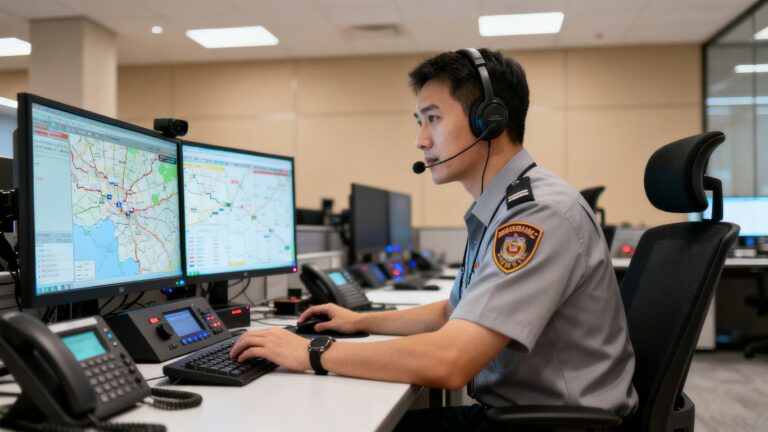
Key Takeaways
Efficient emergency service management relies on proactive systems that prioritize safety and operational clarity for field teams.
- Utilize automated triage to focus on immediate threats first.
- Leverage integrated technology to cut response times significantly.
- Implement standardized scripts to ensure consistency during high-stress calls.
- Apply data-driven metrics to identify gaps in service performance.
- Use prepayment workflows to verify intent and reduce unnecessary field trips.
Optimizing the dispatch and intake process
Managing incoming requests effectively requires a foundation of clarity and speed. When every second is critical, having a structured approach prevents common bottlenecks before they derail your team.
Implementing automated triage systems to prioritize urgency
Your triage system serves as the first line of defense in managing field requests effectively. By using 911 dispatch protocols or similar decision-making tools, your staff can sort incoming inquiries based on actual severity, ensuring that life-safety issues jump to the front of the queue without hesitation.
Reducing caller wait times with intelligent VoIP integration
Integration with modern communications allows you to handle volume spikes without losing callers. Intelligent routing ensures they reach the correct department immediately, which is essential to effective call handling when demand outpaces available personnel.
Developing standardized intake scripts for common emergency scenarios
Standardization reduces cognitive load on dispatchers during intense moments. By documenting the necessary data points, companies ensure that nothing vital is missed, enabling faster technician mobilization.
Leveraging technology for real-time response

The right tech stack keeps information flowing between the office and the field. When dispatchers have a real-time view of field activity, they can coordinate resources that much faster.
Adopting AI-powered call analysis tools for sentiment and urgency detection
Next-generation tools allow for instant sentiment analysis, flagging callers who are unusually distressed. While some use novel medical emergency methods for public safety, private service firms can use similar intelligence to gauge if a customer requires immediate professional intervention or merely standard service scheduling.
Integrating GPS tracking with real-time fleet dispatch software
Visibility is key to efficient movement. By knowing exactly where each technician is located, managers can promise accurate arrival times to clients facing urgent repair needs. This ensures the closest capable technician is dispatched immediately rather than relying on guesswork.
Utilizing cloud-based CRM systems for instant access to service history
Centralized data allows managers to see previous property issues, which can drastically speed up triage for recurring emergency calls. Businesses often use PreDispatch to verify customer details and collect service fees upstream, ensuring that the system is not clogged by non-committal or fraudulent inquiries before a tech hits the road.
Training staff for high-pressure decision-making

Technical prowess matters little if your staff cannot manage the psychological demands of an emergency request. Effective training regimes simulate real-world chaos to prepare dispatchers.
Providing simulation-based crisis communication training
Roleplay scenarios are the best tool for checking how a dispatcher handles stress. These drills teach staff to remain steady and authoritative when a caller is panicked.
Establishing clear protocols for escalation and multi-agency coordination
Sometimes a situation requires more than a standard service tech. Having a documented path for escalation ensures that police or fire departments are notified when the scope of an emergency exceeds internal company capabilities.
Mitigating dispatcher fatigue through structured operational support
Dispatching is mentally draining, and burnout directly impacts service accuracy. Establishing firm boundaries and rotating tasks maintains the quality of oversight throughout the day.
Establishing data-driven performance metrics
Management teams must rely on concrete outputs to improve their processes. Without consistent tracking, it is nearly impossible to tell whether changes to your dispatching strategy are actually working.
Tracking average speed of answer and call abandonment rates
These metrics reveal if your staffing levels are sufficient during peak hours of operation.
Monitoring call resolution accuracy and first-contact closure
To see how well your triage works, look at how often a first-contact resolution succeeds in effectively addressing the customer’s stated issue.
Analyzing historical data to forecast peak call volumes and staffing needs
By comparing trends over time, you can optimize shift scheduling so that you never fall behind during historically busy windows.
| Metric Name | Frequency | Target Threshold |
|---|---|---|
| Response Time | Hourly | Under 5 Min |
| Resolution Rate | Weekly | Over 90% |
| Abandonment Rate | Daily | Under 2% |
Data allows you to build a proactive workforce that understands how to manage emergency service calls efficiently through informed planning.
Enhancing internal and field coordination
Effective dispatching is a collaborative process that spans across departments. If there is a disconnect between the dispatcher taking the call and the technician handling the repair in the field, response times will inevitably suffer.
Building seamless communication channels with field technicians
Using specialized platforms to relay details like gate codes, site hazards, or specific client requests directly to the technician prevents delays and ensures safety on-site.
Coordinating inter-departmental workflows for complex or high-stakes emergencies
Major emergencies often require back-office support for permits, billing, or equipment procurement in real-time.
Closing the feedback loop between dispatch centers and onsite service teams
Post-job reviews help refine what works best in the field. When technicians report challenges back, dispatchers can adjust intake scripts to better capture that data for future requests.
Conclusion
Efficient emergency service management relies on the successful integration of technology, training, and strategic data review, allowing managers to turn chaotic situations into predictable, well-managed operations.
Frequently Asked Questions
What are the most critical steps for managing emergency calls?
The most important steps involve maintaining a calm, authoritative presence, strictly prioritizing incoming requests based on severity, and clearly documenting all pertinent details to ensure the responding technician is fully prepared.
How can software help manage a high volume of emergency calls?
Software helps by automating the triage process, providing real-time fleet visibility, and streamlining payment collection to filter out non-essential calls before they take up valuable dispatcher time.
Why is training dispatchers for stress management important?
Dispatchers are the first point of contact for often panicked individuals, and their ability to remain calm dictates the effectiveness of the entire emergency response chain.
Should every emergency call follow the same script?
While every situation is unique, standardized intake scripts ensure that no critical information—like location, nature of the emergency, or site safety risks—is missed during high-pressure exchanges.
What metrics best track call dispatch performance?
Key metrics include average speed of answer, call abandonment rates, and the accuracy of first-contact resolution, which together indicate if your dispatch team is capable of handling demand.
Can technology speed up response times for field services?
Yes, technologies like automated VoIP routing and real-time GPS fleet tracking drastically reduce the time between receiving a call and getting a qualified professional on the road.
What is the role of inter-departmental coordination in emergencies?
Effective coordination ensures that field technicians receive all documentation and support they need, which minimizes on-site delays and prevents redundant or misdirected emergency responses.